Loading page
Tyre pressure calculator
Find a starting pressure for your bike and ride.
Rider
kg
kg
Tyres & rims
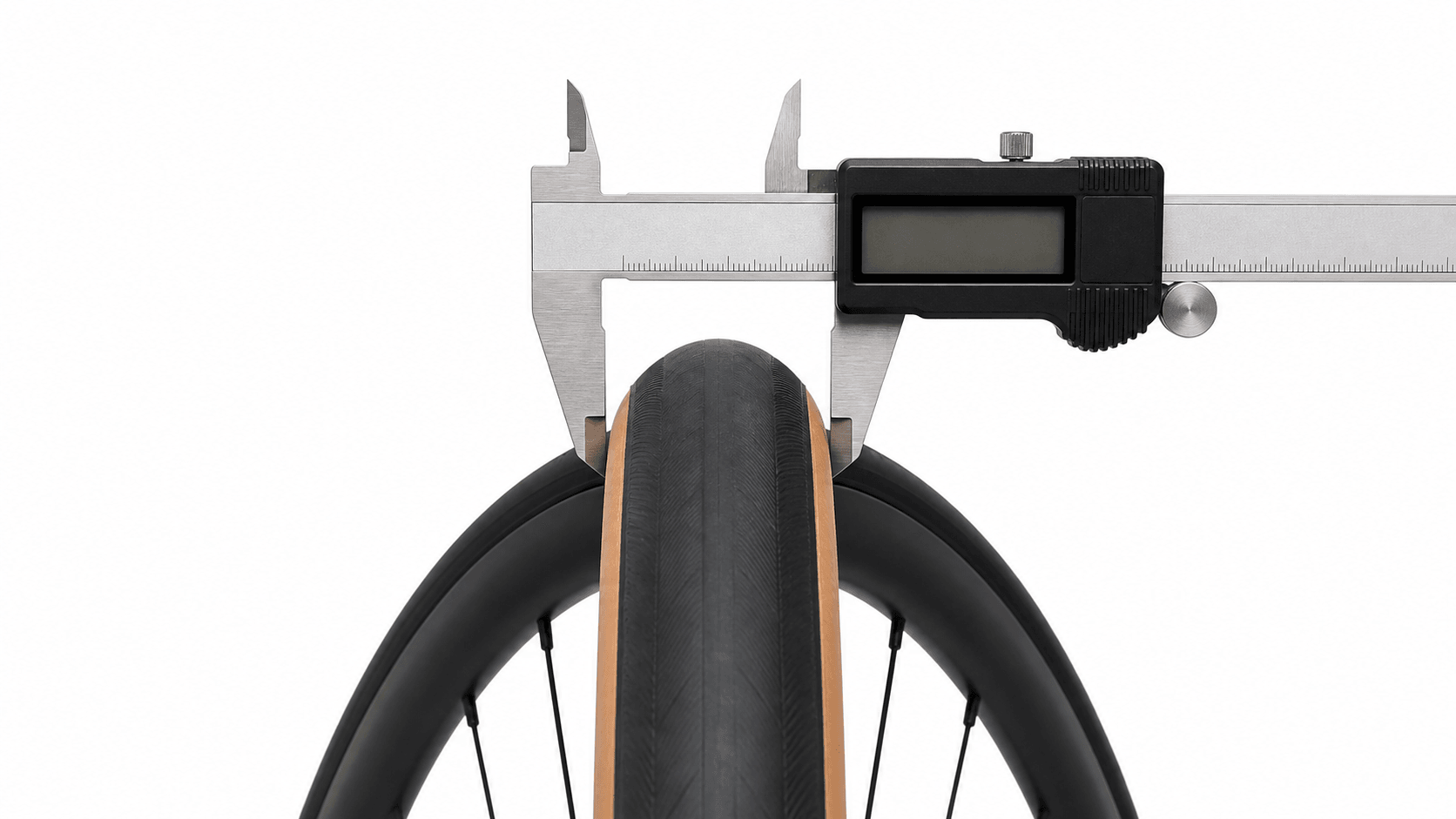
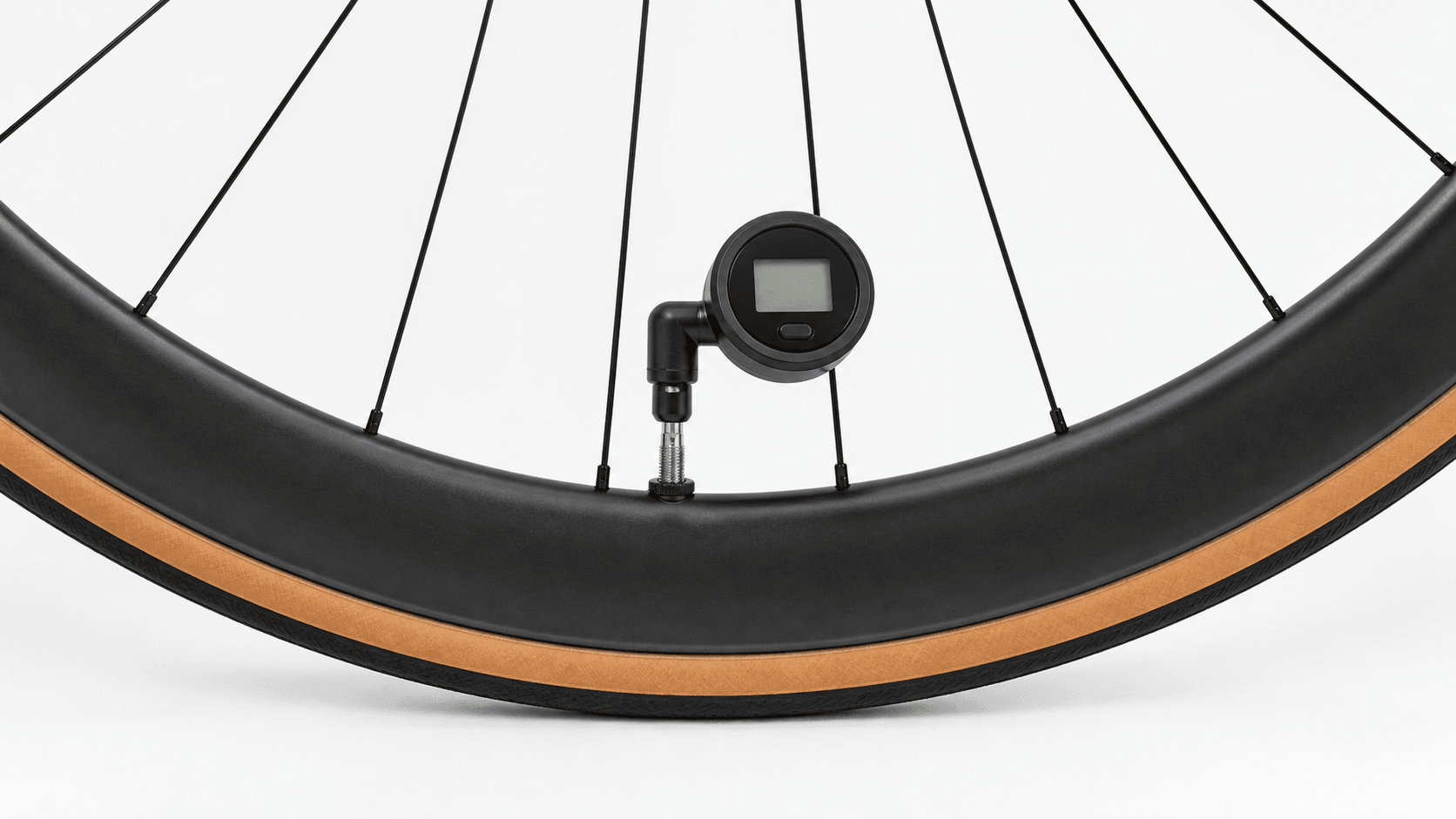
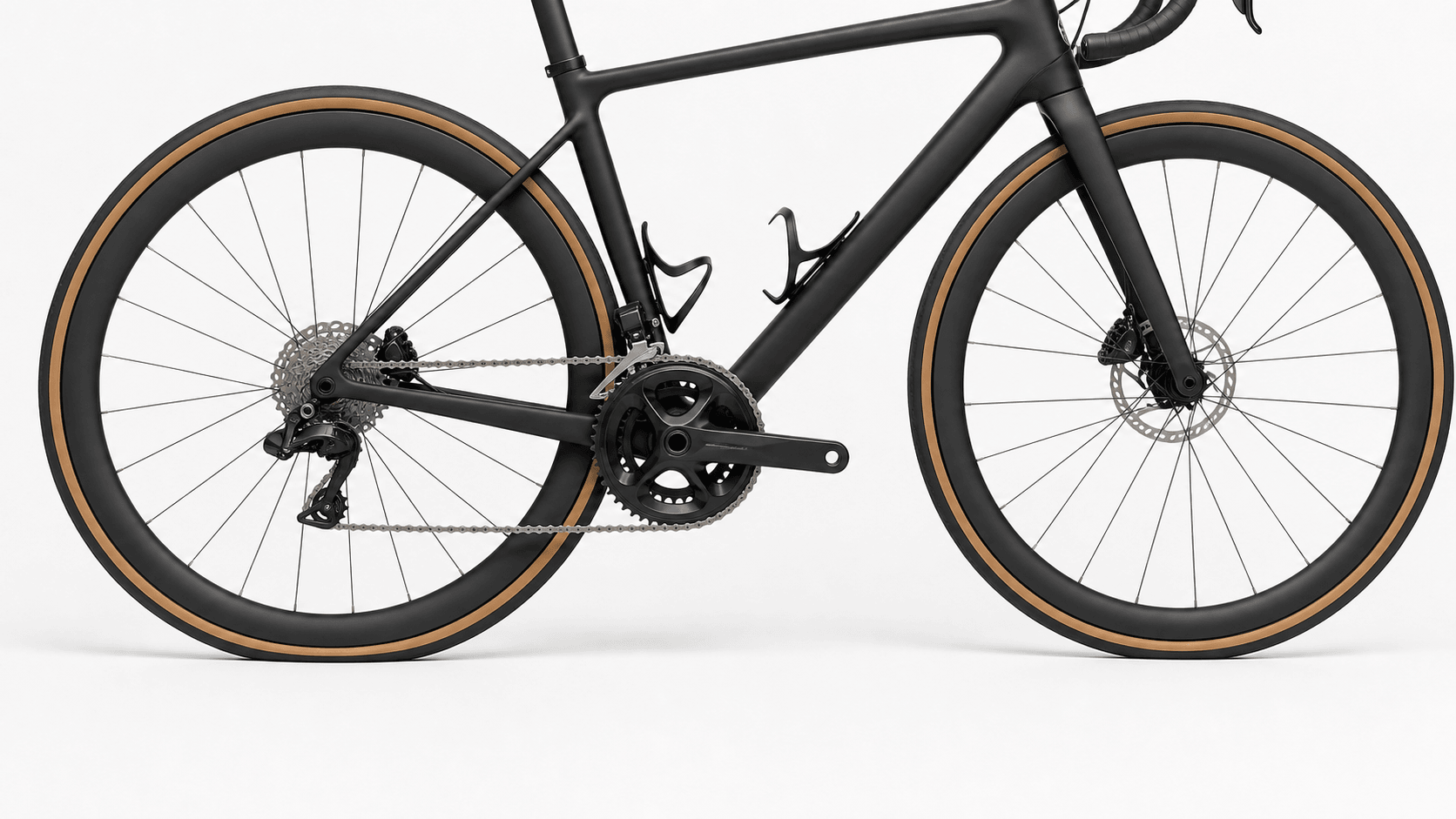
Front & rear
28 mm
mm
psi
Ride profile
Ride surface
Tyre setup
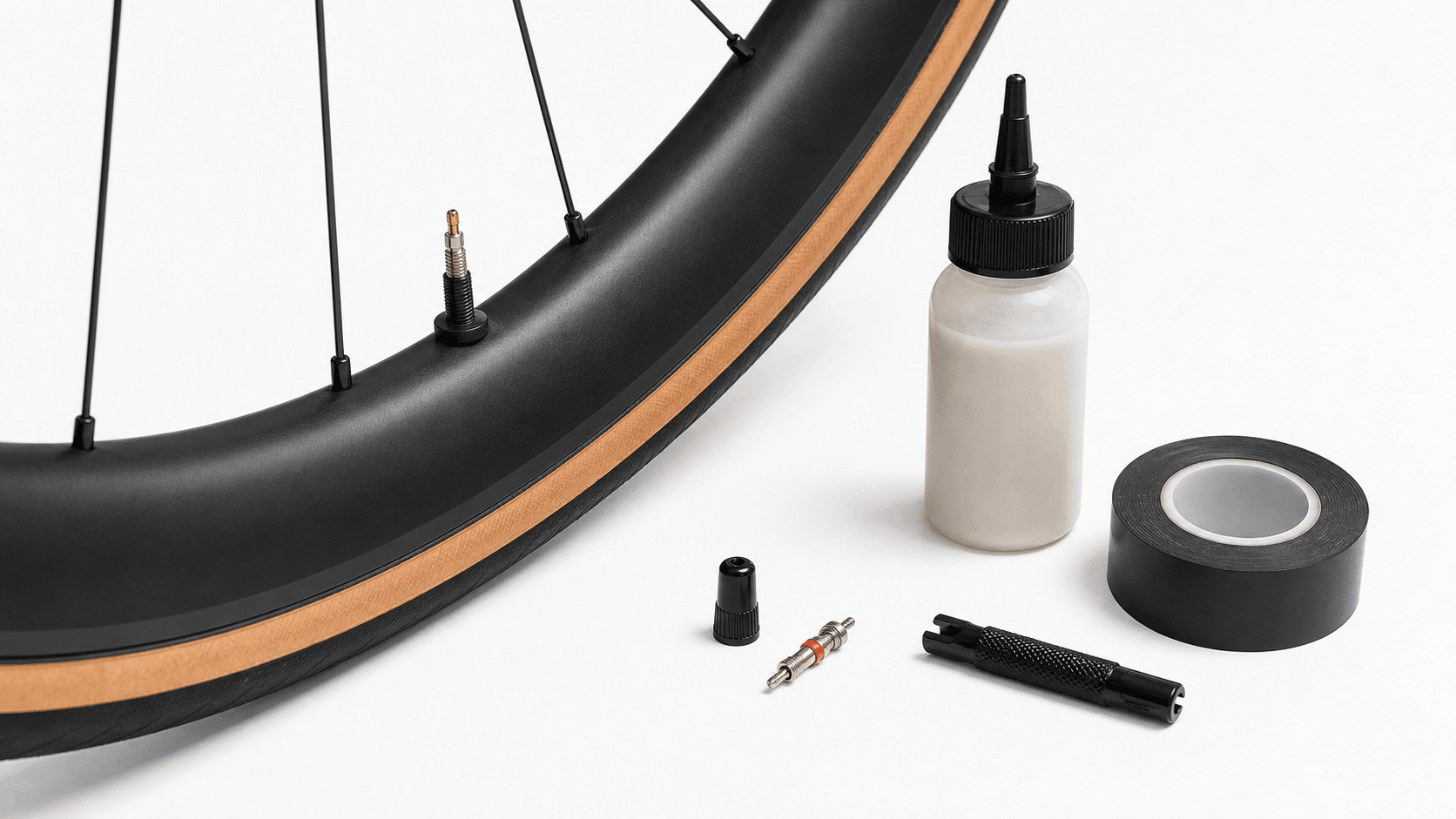
Use the lower maximum pressure listed on your tyre or rim.

Need help with your pressure?
Send us your result, tyre size, and rim details. Always follow the lower of your tyre and rim pressure limits.
Tools and new arrivals, by email.
Sent occasionally.
More tools
About tyre pressure
Bicycle tyre pressure is the air pressure inside a tyre, usually measured in PSI or bar. A suitable starting pressure depends on the load on each wheel, measured tyre width, rim, surface, and tube or tubeless setup. This calculator estimates front and rear starting points, not manufacturer approval.
- Why are front and rear pressures different?
- The two wheels do not always carry equal weight. The calculator estimates each wheel's load and adjusts its pressure separately.
- Which tyre width should I enter?
- Use the inflated tyre's measured width in millimetres, not only the size printed on the sidewall. Rim width can affect the installed width.
- Can the result exceed the tyre or rim limit?
- No. Check both manufacturers' limits and compatibility instructions and follow the more restrictive requirement. A calculated estimate does not override them, including on hookless rims.